Archives
- 2026-06
- 2026-05
- 2026-04
- 2026-03
- 2026-02
- 2026-01
- 2025-12
- 2025-11
- 2025-10
- 2025-09
- 2025-03
- 2025-02
- 2025-01
- 2024-12
- 2024-11
- 2024-10
- 2024-09
- 2024-08
- 2024-07
- 2024-06
- 2024-05
- 2024-04
- 2024-03
- 2024-02
- 2024-01
- 2023-12
- 2023-11
- 2023-10
- 2023-09
- 2023-08
- 2023-07
- 2023-06
- 2023-05
- 2023-04
- 2023-03
- 2023-02
- 2023-01
- 2022-12
- 2022-11
- 2022-10
- 2022-09
- 2022-08
- 2022-07
- 2022-06
- 2022-05
- 2022-04
- 2022-03
- 2022-02
- 2022-01
- 2021-12
- 2021-11
- 2021-10
- 2021-09
- 2021-08
- 2021-07
- 2021-06
- 2021-05
- 2021-04
- 2021-03
- 2021-02
- 2021-01
- 2020-12
- 2020-11
- 2020-10
- 2020-09
- 2020-08
- 2020-07
- 2020-06
- 2020-05
- 2020-04
- 2020-03
- 2020-02
- 2020-01
- 2019-12
- 2019-11
- 2019-10
- 2019-09
- 2019-08
- 2019-07
- 2019-06
- 2019-05
- 2019-04
- 2018-11
- 2018-10
- 2018-07
-
Five alternatively spliced isoforms of ATX have been describ
2023-07-29
Five alternatively-spliced isoforms of ATX have been described and all are catalytically active [16], [17]. The original ATX described in 1992 is termed ATXα, whereas the most abundant isoform is ATXβ and is the same isoform responsible for plasma lysoPLD activity [18]. Full length ATX is synthesize
-
Introduction The first use of the
2023-07-29
Introduction The first use of the term “autophagy” by a French physiologist, M. Anselmier, in a short article describing the effects of fasting in mice published in 1859, took place almost a century before Christian De Duve described it from a mechanistic point of view in a symposium on lysosomes i
-
Introduction The MMR system keeps
2023-07-29
Introduction The MMR system keeps the fidelity of replication by repairing replication errors such as base-base mispairs and insertions/deletions. It plays a substantial role in restoring the fidelity of DNA and contributing to genome integrity [1]. The components of MMR are conserved in a broad ra
-
br Acknowledgements We would like to thank Dr
2023-07-29
Acknowledgements We would like to thank Dr. Thomas Blanpied, Sai Sachin Divakaruni, Dr. Helmut Kessels, Feline Lindhout, Dieudonnée van de Willige, and all members of the MacGillavry lab for discussions and critical reading of the manuscript. This work was supported by NWO (ALW-VENI 863.13.020, A
-
The levels of Mcl and FLIP are homeostatically controlled
2023-07-29
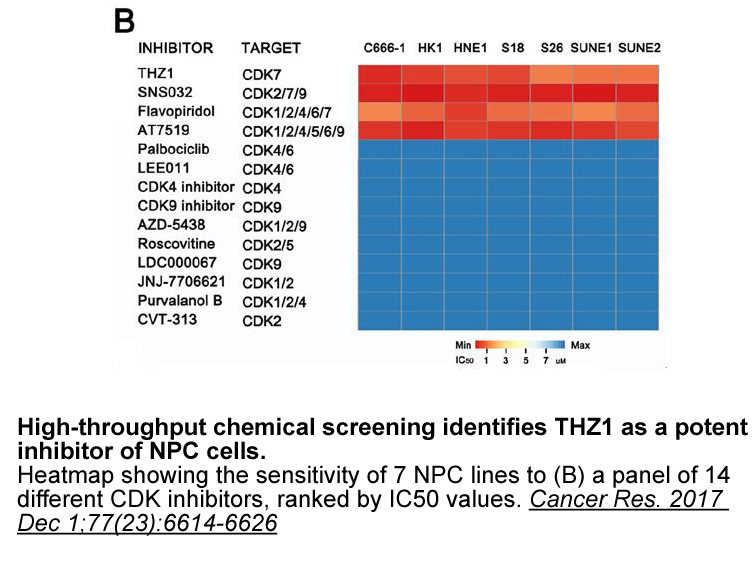
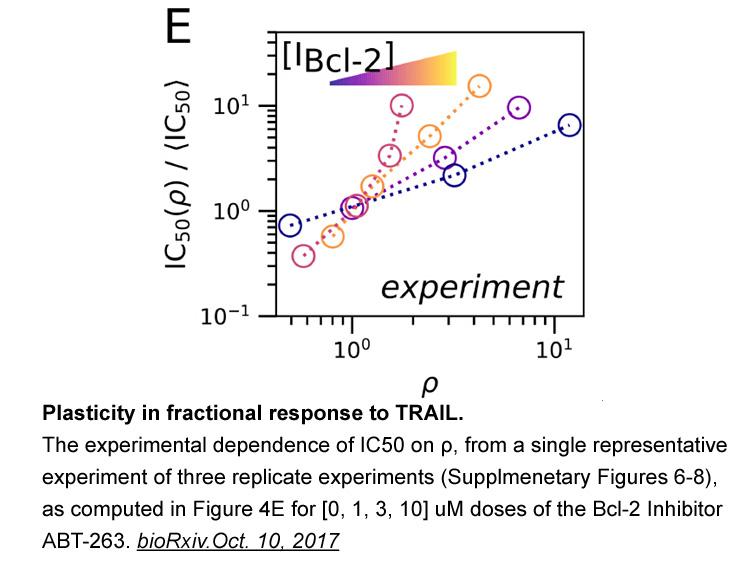
The levels of Mcl-1 and FLIP are homeostatically controlled by transcriptional and posttranslational processes. Accumulating evidence suggested that intracellular signaling molecules such as Akt are crucial to the transcription of Mcl-1 and FLIP [30], [31]. The constitutive activation of Akt is dete
-
Weak and transient interactions of HMGB
2023-07-29
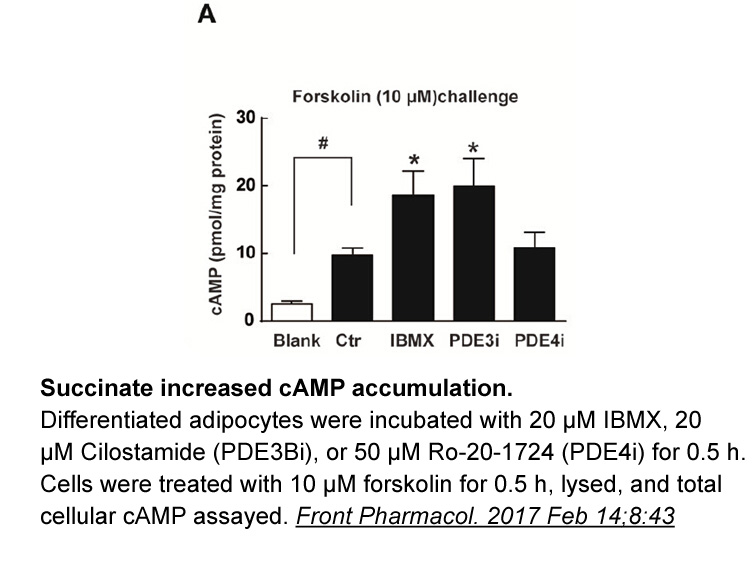
Weak and transient interactions of HMGB proteins in such hit-and-run mechanisms are understandable given that “fluorescence loss in photobleaching” (FLIP) experiments employing GFP-labeled HMGBs have shown that in living cells they are the most mobile of all nuclear proteins [144]. The entire pool o
-
br Acknowledgement br Introduction Estrogens
2023-07-29
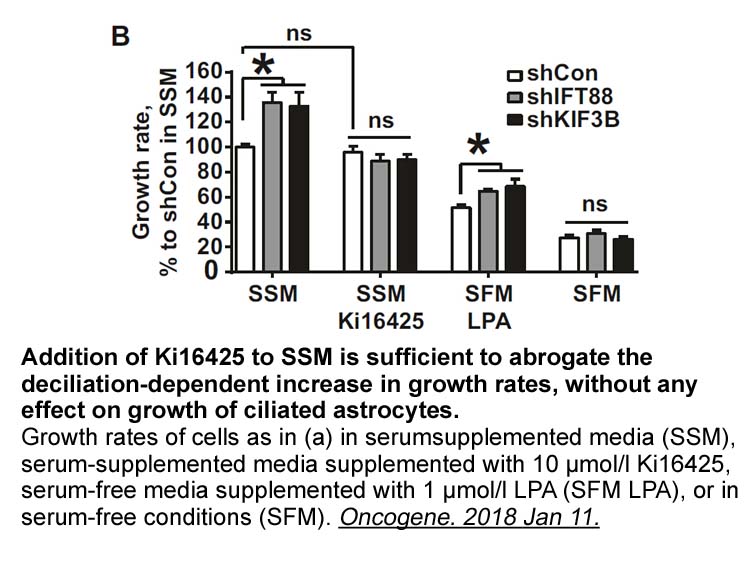
Acknowledgement Introduction Estrogens play an important role in the development and progression of breast cancer (McGuire et al., 1976; Clemons and Goss, 2001). 17β-Estradiol (E2), the most biologically active estrogen in breast tissue, functions via its nuclear receptors, estrogen receptor (
-
Echinocandin resistance is systematically associated with po
2023-07-29
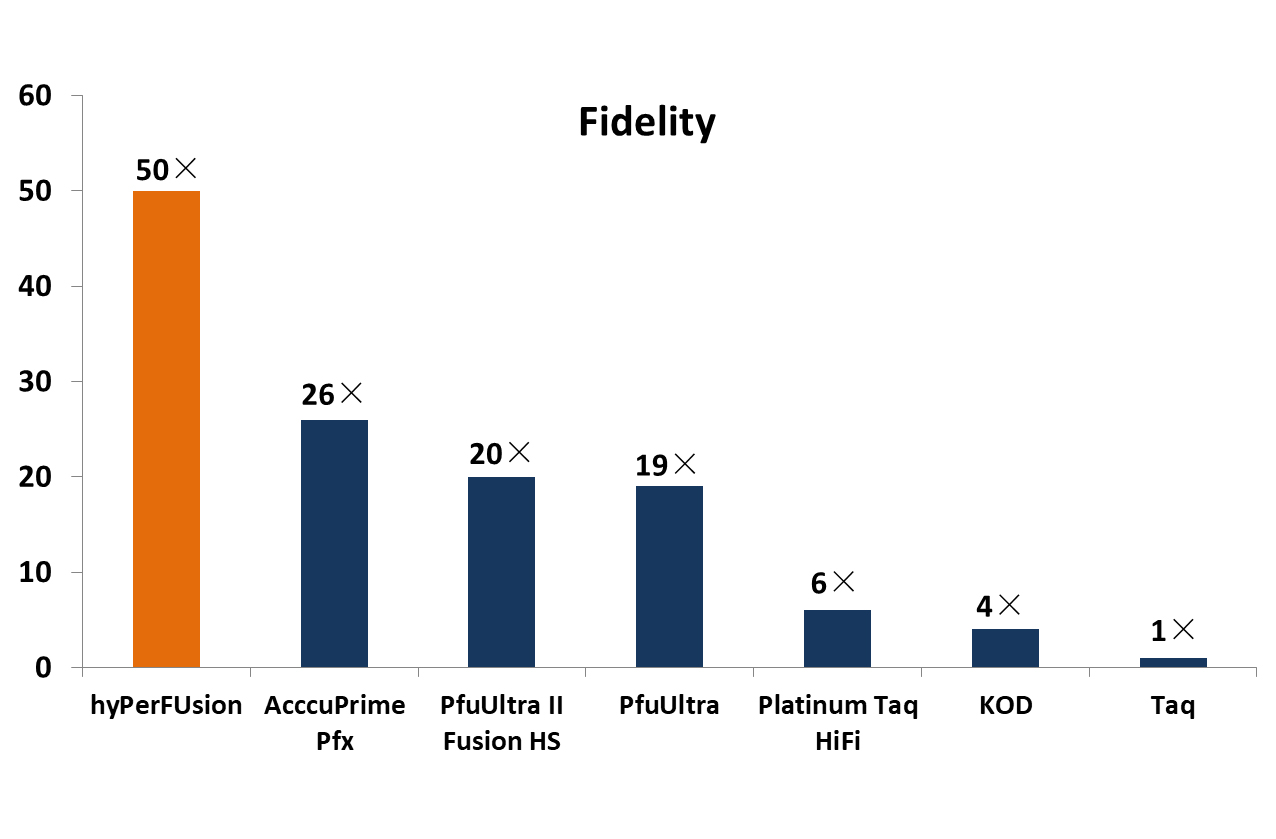
Echinocandin resistance is systematically associated with point mutations in either FSK1 or FSK2 genes [7], [104]. These mutations are located in two different not spot regions of these genes named HS1 and HS2. Hot spot mutations have been reported in C. albicans, C. glabrata, C. tropicalis, C. krus
-
br Results A total of respondents completed
2023-07-29
Results A total of 126 respondents completed the survey (68.5% response rate), with at least 65% response rate from each of the four represented sectors (denominators represent the total constituent body of the organization or the total attendees of the meeting): PUC 24 out of 37 (65%), SPUNZA 33
-
In addition unconventional mechanisms of internalization can
2023-07-29
In addition, unconventional mechanisms of internalization cannot be ignored. It is generally believed that the conventional homologous internalization of a GPCR depends on the activation of G proteins, since GRK activation requires the pre-activation of G proteins (Fig. 2). Feng et al. demonstrated
-
br Identification of the croaker mAR
2023-07-29
Identification of the croaker mAR cDNA Testosterone (T) was observed to alter steroidogenesis through a nongenomic mechanism (not blocked by the transcription inhibitor, actinomycin D) in Atlantic croaker ovarian tissues (Braun and Thomas, 2003). This action of T was mimicked by T conjugated to B
-
Testosterone can be converted into estrogens by aromatase ac
2023-07-29
Testosterone can be converted into estrogens by aromatase action. Aromatase is encoded by CYP19, belongs to cytochrome P450 superfamily, and synthesizes estradiol (E2) and estrone (E1) from testosterone and androstenedione respectively (Fig. 1). Aromatase is expressed in the ORS of anagen hair folli
-
An unbiased evaluation of hepatic mRNA was performed to
2023-07-29

An unbiased evaluation of hepatic mRNA was performed to assess the impact of hepatocyte AMPK activation on the transcriptome. The expression of 913 genes were altered in control mice after chronic PF-06409577 treatment, 188 genes were affected by knocking out AMPK in hepatocytes, and expression of 2
-
Here we provide evidence that NO contributes to changes
2023-07-29
Here, we provide evidence that NO contributes to changes in synaptic strength, but also offer an explanation as to why previous attempts to link NO to LTP have often failed. Our results describe a model by which cycling AMPARs, held in intracellular pools, are rapidly delivered to the membrane surfa
-
ZCL278 Introduction Lipoxygenases LOXs are key enzymes that
2023-07-29

Introduction Lipoxygenases (LOXs) are key enzymes that catalyze the polyunsaturated fatty acids (PUFAs) such as arachidic ZCL278 (AA), linoleic acid (LA) and others unsaturated fatty acids (Brash, 1999). LOXs are expressed in immune, neural, epithelial, tumor cells and other cells (Claesson, 2009).
16710 records 334/1114 page Previous Next First page 上5页 331332333334335 下5页 Last page