Archives
- 2026-06
- 2026-05
- 2026-04
- 2026-03
- 2026-02
- 2026-01
- 2025-12
- 2025-11
- 2025-10
- 2025-09
- 2025-03
- 2025-02
- 2025-01
- 2024-12
- 2024-11
- 2024-10
- 2024-09
- 2024-08
- 2024-07
- 2024-06
- 2024-05
- 2024-04
- 2024-03
- 2024-02
- 2024-01
- 2023-12
- 2023-11
- 2023-10
- 2023-09
- 2023-08
- 2023-07
- 2023-06
- 2023-05
- 2023-04
- 2023-03
- 2023-02
- 2023-01
- 2022-12
- 2022-11
- 2022-10
- 2022-09
- 2022-08
- 2022-07
- 2022-06
- 2022-05
- 2022-04
- 2022-03
- 2022-02
- 2022-01
- 2021-12
- 2021-11
- 2021-10
- 2021-09
- 2021-08
- 2021-07
- 2021-06
- 2021-05
- 2021-04
- 2021-03
- 2021-02
- 2021-01
- 2020-12
- 2020-11
- 2020-10
- 2020-09
- 2020-08
- 2020-07
- 2020-06
- 2020-05
- 2020-04
- 2020-03
- 2020-02
- 2020-01
- 2019-12
- 2019-11
- 2019-10
- 2019-09
- 2019-08
- 2019-07
- 2019-06
- 2019-05
- 2019-04
- 2018-11
- 2018-10
- 2018-07
-
br Author contributions br Conflict of interest br Acknowled
2022-06-18
Author contributions Conflict of interest Acknowledgments We appreciate technical support of the Research Support Center at the Graduate School of Medical Sciences of the Kyushu University. This study was supported by the Uehara Memorial Foundation and a KAKENHI grant from the Ministry of E
-
br Myelin and metabolism In addition to
2022-06-17
Myelin and metabolism In addition to promoting efficient Paprotrain propagation, myelin is also critical for trophic and metabolic support of axons [56]. To provide metabolites to axons accurately, glia must ‘know’ the metabolic requirements of axons. Could electrical activity by axons function
-
br Niacin has long been used for the treatment of
2022-06-17
Niacin () () has long been used for the treatment of lipid disorders and for the prevention of cardiovascular disease, the leading cause of death in the U.S., as a result of its ability to raise high-density lipoprotein (HDL) levels. Recent mechanistic investigations have shown that niacin may exe
-
GPR can signal through not only
2022-06-17
GPR40 can signal through not only IP3 but also cAMP depending upon the type of agonist ligand used. A full agonist engages both signaling mechanisms in contrast to the endogenous long-chain fatty Z-VDVAD-FMK (LCFA) ligands and partial agonists. Thus, stimulation of GPR40 by endogenous LCFAs or by t
-
Active compounds and were further
2022-06-17
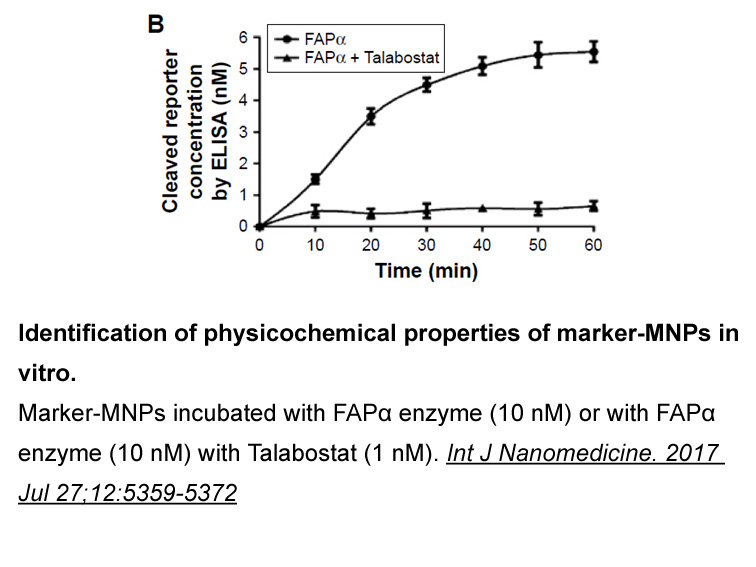
Active compounds , , and were further tested and EC and pEC values were determined as shown in . Compound showed EC of 0.97μM (pEC 6.01) with 84.5% maximal response, which suggests that introduction of alkyl chain on aromatic nucleus of , resulted in improved GPR40 agonistic activity than that of
-
In prostate cancer PCa glucose metabolism plays a major role
2022-06-17

In prostate cancer (PCa), glucose metabolism plays a major role in progression [14]. Androgens can activate the metabolic regulator AMP-activated kinase (AMPK), promoting oxidative phosphorylation (OXPHOS) [15]. Besides, androgens increase GLUT1 [16], which overproduction has been described in the m
-
With the advent of genome sequencing hexokinase gene sequenc
2022-06-17
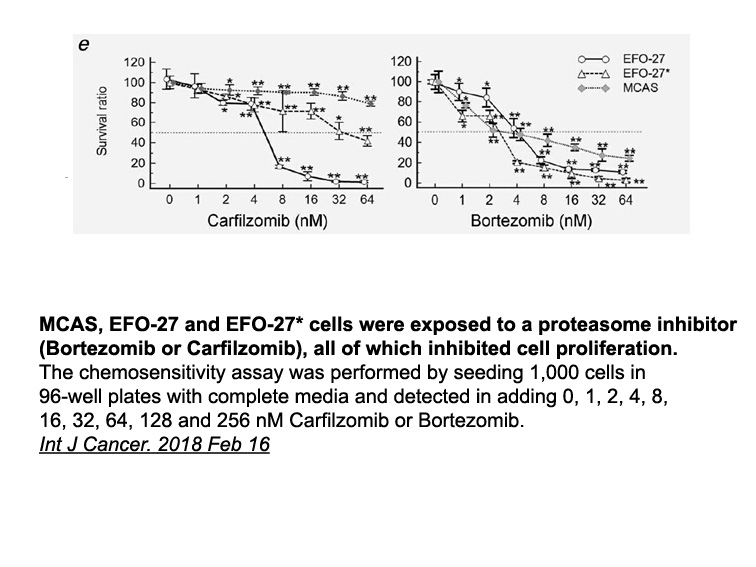
With the advent of genome sequencing, hexokinase gene sequences are now available from a far greater number of vertebrate species, as well as from diverse non-vertebrate animal species. As indicated above, searches of vertebrate genome sequences revealed the existence of a novel fifth member of the
-
buy flumazenil A number of GCK activators for treating T
2022-06-17
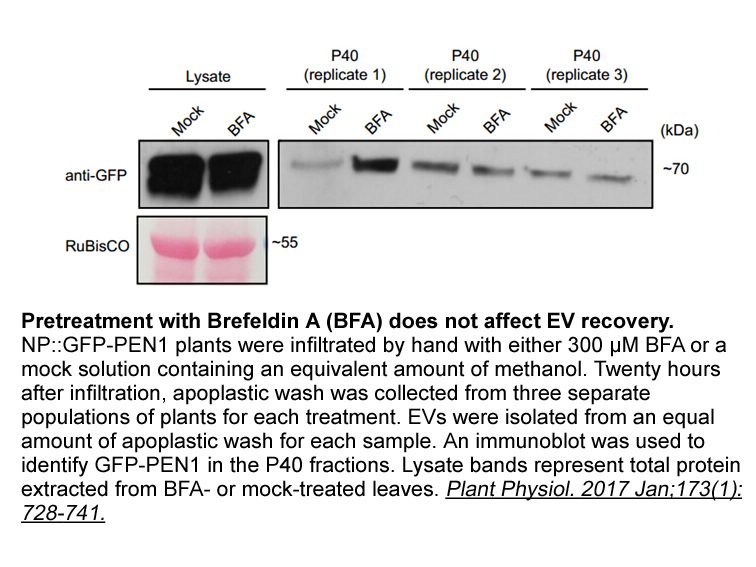
A number of GCK activators for treating T2D have been developed and tested but not progressed successfully from clinical trials into therapy [45]. Our observations suggest that increased risk of hypoglycemia might be possible, particularly if drugs penetrate into brain. A further possibility is that
-
The bFGF induced upregulation of
2022-06-17
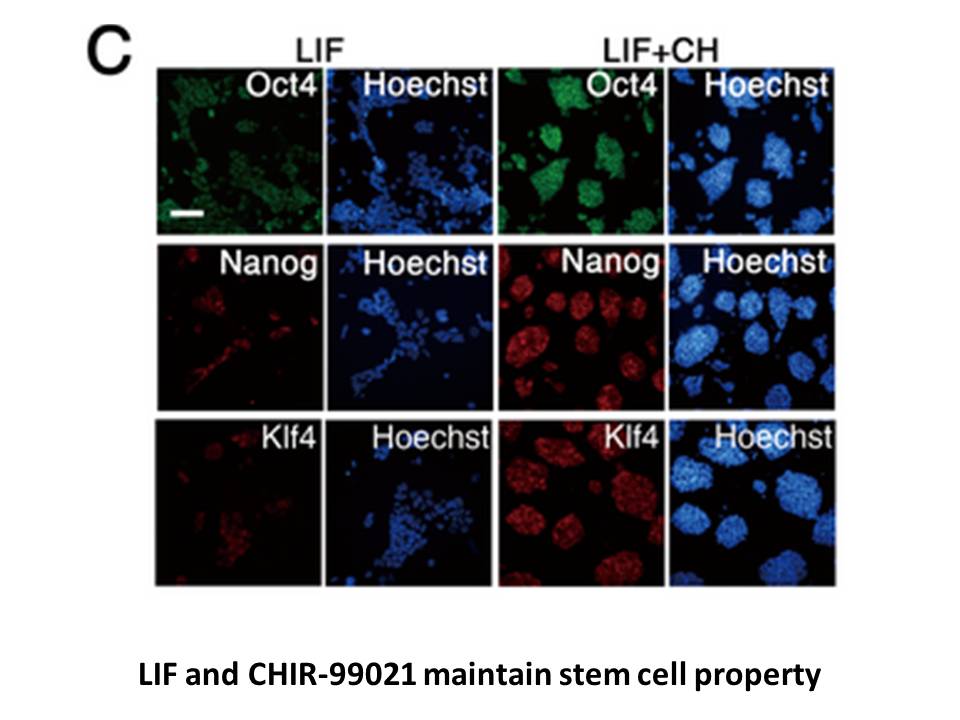
The bFGF-induced upregulation of both GR and MR levels observed in our study raises a question regarding whether the simultaneous augmentation of the two receptors has a physiological and/or medical significance. It has been suggested that MR stimulates intracellular signaling pathways to minimize s
-
alverine australia In type diabetic subjects with mean basel
2022-06-17
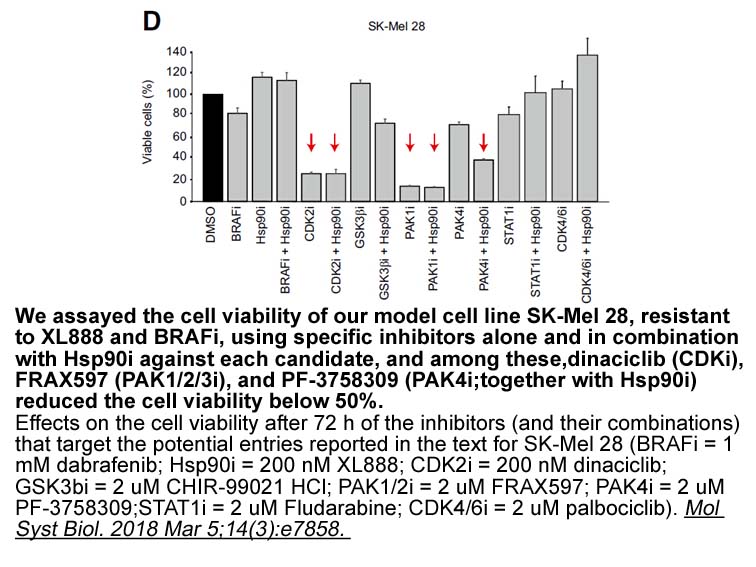
In type-2 diabetic subjects with mean baseline glycated hemoglobin A (HbA) of 8.4%, q.d. administration of MK-0893 for 12weeks as a monotherapy resulted in dose-dependent decreases in HbA and FPG. Administration of MK-0893 q.d. at doses of 20, 40, 60, and 80mg led to observed reductions in HbA of 0.
-
Next we asked how a common activation marker of fibroblasts
2022-06-17
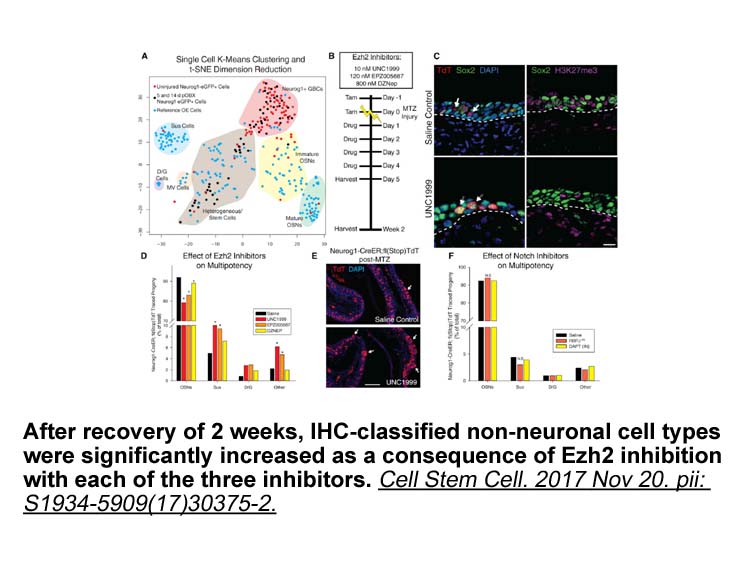
Next, we asked how a common activation marker of fibroblasts, Acta2, defined gene expression signatures in alveolar airspaces by using Acta2-mKO1 reporter mice (Fig. 2A). In the lungs of Acta2-mKO1 mice, mKO1 was expressed in smooth muscle cells and mesenchymal cells in bace inhibitors (Fig. 2B). B
-
The co crystal structure of GPR
2022-06-17
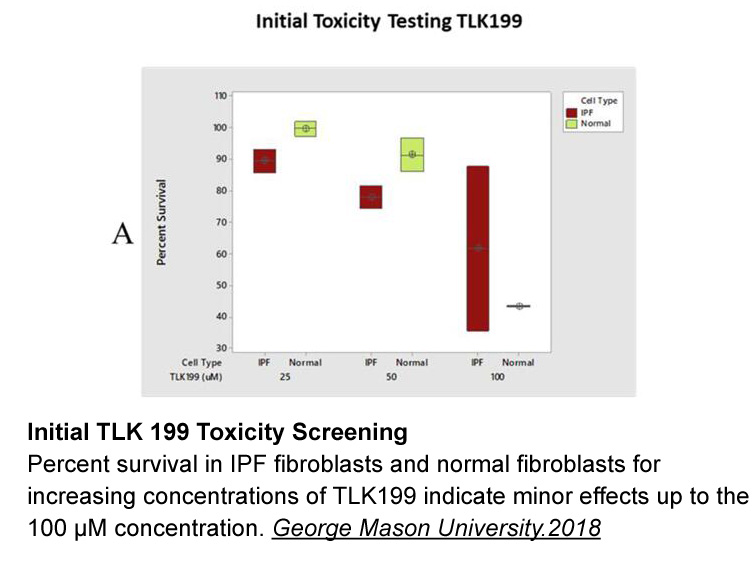
The co-crystal structure of GPR40 complexed with TAK-875 provided precise structural information for the rational design of novel GPR40 agonists. The key interactions between the carboxylate with the residues Arg183, Arg258, Tyr91 and Tyr240 of GPR40 were observed. And Trp174ECL2 was oriented nearly
-
Glucose metabolic pathways are well defined but
2022-06-17
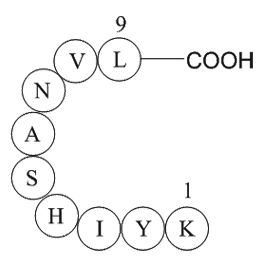
Glucose metabolic pathways are well defined but the subcellular organization of these pathways is poorly understood in liver and kidney. Several factors affect the net flux of gluconeogenesis and allow the bafilomycin to respond to physiological changes [1]. Ovadi and Srere have suggested that a new
-
Two classes of histones demethylases have thus far been
2022-06-16
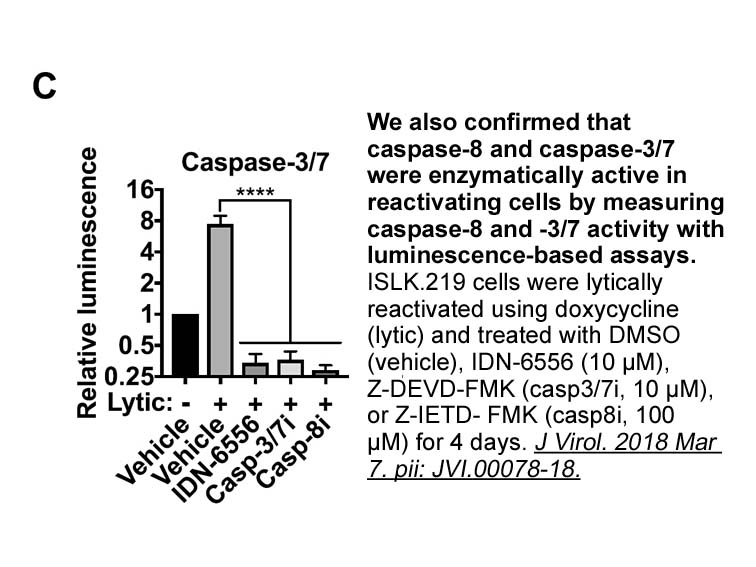
Two classes of histones demethylases have thus far been identified: the Jumonji C (JmjC) domain-containing proteins and the amine oxidase domain (AOD)-containing proteins. They have distinct enzymatic mechanisms and substrate specificity. The JmjC domain is conserved through evolution and belongs to
-
sphingosine sale Thus both in Drosophila and
2022-06-16
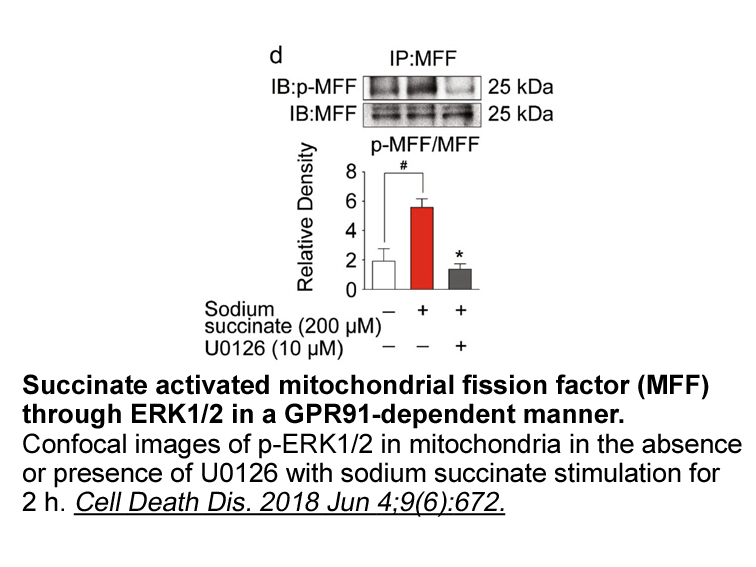
Thus, both in Drosophila and mammals, the Hippo pathway responds to cell–cell junctions via an apical NF2/Mer-containing complex. Indeed, Hippo signalling and NF2 are required for contact inhibition of growth in cell culture, which is thought to reflect an in vivo function as a sensor of tissue crow
16713 records 465/1115 page Previous Next First page 上5页 461462463464465 下5页 Last page